Option 1Secured caravan loan
Backed byThe van itself
Best forMost vans a lender can value and resell
Good to knowThe lender registers its interest on the PPSR until the loan is repaid, and requires comprehensive insurance
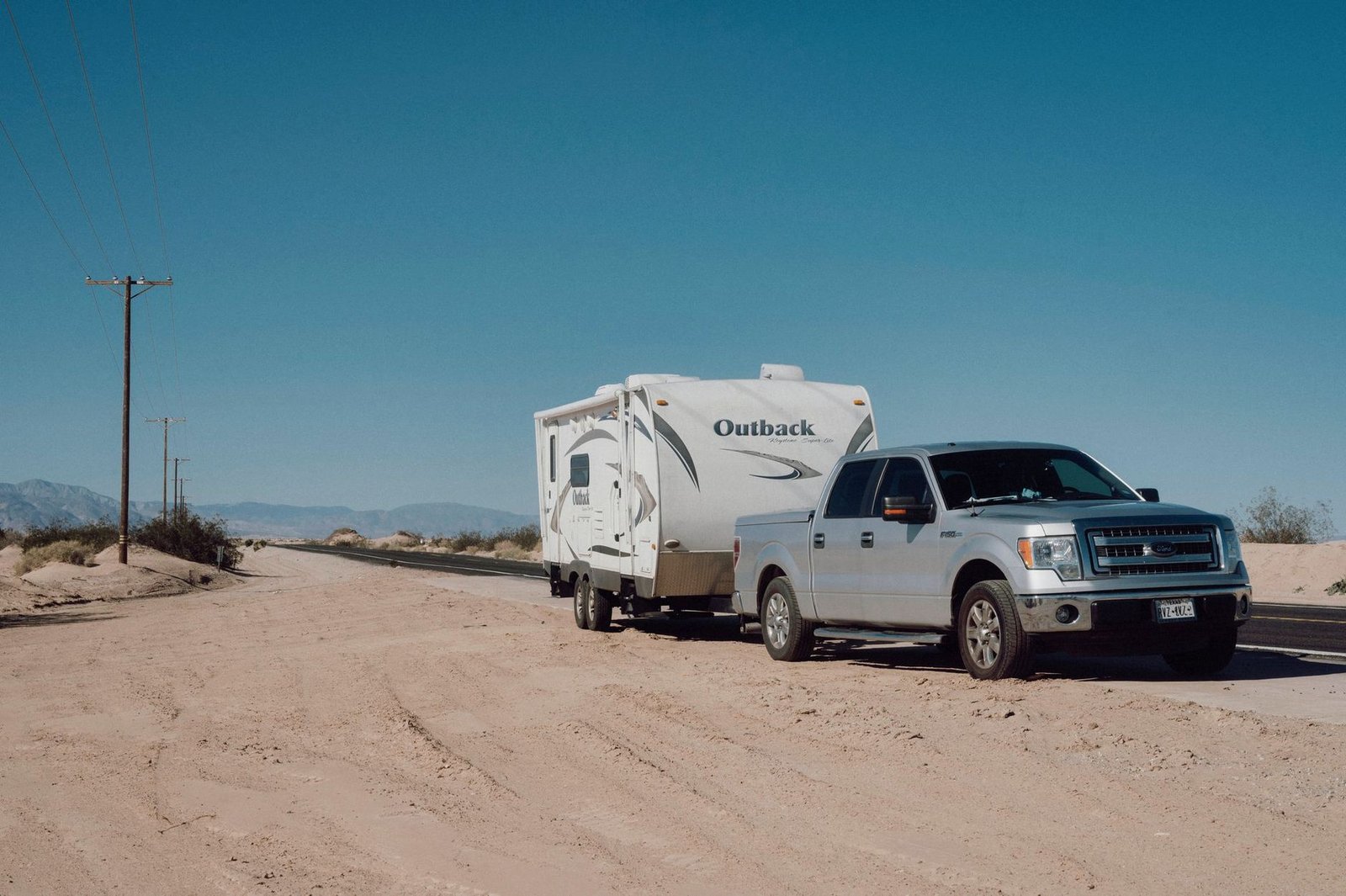
Caravans, campers, camper trailers and motorhomes, bought new, used or privately. A two-minute enquiry, and no credit check until you choose to proceed.
If it sleeps people and either tows or drives, there is usually a lender for it. We arrange finance for new vans, used vans and private sales, from a second-hand camper trailer to a large motorhome. We handle the money side; the van is your call. Our panel runs to more than 30 lenders, a major bank alongside specialist and non-bank lenders who tend to be more flexible on asset age, self-employment and credit history. That matters with vans, because those three things usually decide whether a van gets funded at all.
We work out which lenders on our panel will take the van and your income, fill in the application from your documents, and chase the ownership and PPSR checks a private sale needs. You get told which option we would pick and why.
Get ApprovedCaravan buyers are a broad bunch, and lender policy reacts to your income and to where the van is coming from. Pick the closest fit.
Nothing special happens here, which is the good news. Lenders look at your income, your living costs, your existing commitments and your credit file, the same as a car loan. You do not need a deposit for most secured options, though one lowers the amount and helps where the numbers are tight.
Two things are worth sorting before you commit to a van. Check what your car can legally tow, and get a realistic figure on insurance, because a secured lender will require comprehensive cover.
More on recreational finance
If there is still a loan on your current van, ask that lender for a written payout figure with the daily interest amount before you agree a sale price. Payouts move every day and a stale figure is how people end up short at settlement.
Where the van is worth more than the payout, that difference can act as your deposit on the next one. Where it is worth less, the shortfall has to come from somewhere, and we would rather tell you that early than at the last minute.
Retirement changes how income is assessed, not whether you can borrow. Lenders treat an account-based pension, the Age Pension, annuities, share income and rental income very differently from one another.
Retirement income is the whole question here, and the answer differs by lender more than on any other asset. See Retirees and how income is assessed below for how each income type is treated, and what happens if you plan to finish work part way through the term.
Very common with vans, and lenders are used to funding them. They just check more: who owns it, whether anything is owing against it, and sometimes photos. We organise that legwork. Do not pay a deposit until you have a formal approval in writing.
Full detail in New, used, or a private sale below.
The age and type of van decides most of this, and the rest comes down to how you want the repayments to sit.
Backed byThe van itself
Best forMost vans a lender can value and resell
Good to knowThe lender registers its interest on the PPSR until the loan is repaid, and requires comprehensive insurance
Backed byNothing. Your income and credit file do the work
Best forOlder vans, owner-built rigs and small camper trailers
Good to knowShorter terms and tighter criteria, so we treat it as the fallback rather than the starting point
Backed byThe van itself
Best forOccasionally motorhomes, rarely caravans
Good to knowLowers the regular repayment, raises the total interest, and leaves a lump sum to sell, refinance or pay out at the end
Whichever way it is structured, every application is subject to lender criteria and credit assessment.
Get ApprovedMove the sliders to see roughly what repayments could look like. Balloons are optional and uncommon on caravans, so leave that slider at zero unless a lender has actually offered you one. When you enquire, we compare real lender options for your situation.
Indicative estimate only. The rate is an example you choose, not a rate we are offering. Actual repayments vary by credit profile, lender, fees and product type, and this is not a quote or an offer of credit.
Tell us roughly what you are buying and a little about your situation. No credit check happens at this stage, so your score is untouched. If you have already found the van, send us the year, make and model.
We compare the lenders on our panel that will take that van and that income, then come back with the option we would choose, the reasons why and the documents we need from you.
You sign a credit consent and send your documents. Once they are in, approvals often land within 24 to 48 hours. A private sale can add a day or two for the ownership and PPSR checks. Every approval is subject to lender criteria and credit assessment.
The lender pays the dealer or the private seller directly, and pays out any loan the seller still has over the van. You sort the registration transfer and insurance, then collect it.
Self-employed? Plenty of caravan buyers are. Low doc options exist for ABN holders who cannot produce a tidy stack of payslips, and our self-employed car loans page explains how that assessment works. The same approach applies to vans and motorhomes. If the purchase touches your business in any way, speak to your accountant, because we do not give tax advice.
Ready to move? Start your two-minute enquiry and we will take it from there.
We work with clients and lenders right across Australia. As a credit representative under AFAS Group's Australian Credit Licence, we're held to strict compliance and professional standards.
Quick answers and updates at every step. Your time is money and we do not waste it.
CR No. 576829 under AFAS Group ACL 414426. FBAA M-362098. AFCA 121188.
Self-employed, adverse credit, new ABN, specialist assets. Our lender relationships are built for it.
We act for you. Straight about your options and the best path forward, with the rate and the fees set out in writing so you can compare like with like.
The longer read, for when you want the full picture. Tap a topic to open it.
Where you buy changes the paperwork, not whether finance is possible.
New or used from a dealer. The simplest path. The dealer gives us an invoice, the lender pays them directly at settlement, and you tow the van home. Dealer stock is also easier for a lender to value.
Private sale. Very common with vans. Good ones get sold out of a driveway, a caravan park or a social media listing, and lenders are used to funding them. They simply check more. The lender wants proof the seller actually owns the van, a PPSR check to confirm no money is owing against it, and often photos or an inspection. If the seller still has a loan over the van, the lender pays that out directly rather than handing money over and hoping it gets passed on. We organise that legwork, and it usually adds a day or two.
Two things are worth knowing. First, do not hand over a deposit before your finance is formally approved in writing. A seller who will not wait a couple of days is a seller worth being careful with. Second, the van should be registered in the seller's name. A van sold on behalf of someone else, with no paperwork tying the two together, is the kind of deal that stalls at settlement.
Stock also tightens before school holidays. Get the finance side moving first so you are negotiating with an approval in hand rather than asking a seller to wait.
Caravans age differently to cars. A fifteen-year-old van with a straight chassis can be a better buy than a five-year-old one shaken apart on corrugations. A lender cannot see that from a VIN, so it uses rules instead, and those rules are where the panel narrows.
None of this means an older or unusual van cannot be financed. It means fewer lenders will look at it, so tell us the year, make, model and VIN up front. We would rather go to the lender whose policy already fits than spend your credit file finding out which ones do not.
Most caravan and motorhome loans are secured against the van. The lender registers its interest on the PPSR, where it stays until the loan is repaid, and that security generally means more of the panel is open to you.
When unsecured makes sense. If the van is too old, too unusual or too cheap for anyone on the panel to secure against, an unsecured personal loan can still do the job. Small camper trailers often go this way purely because the amount is low. Unsecured lending tends to come with shorter terms and tighter criteria, so we treat it as the fallback rather than the starting point.
Balloons. A balloon is a lump sum left owing at the end of the term. It lowers the regular repayment and raises the total interest, because you pay interest on that lump the whole way through. Balloons are standard on commercial truck and equipment deals. On caravans they are the exception. They turn up occasionally on motorhomes, usually larger ones, almost never on a camper trailer, and not every consumer lender offers one.
If a balloon is on the table, be honest about how it gets paid. There are three ways out: sell the van, refinance the balloon into a new loan, or pay it from savings. If none of those is a real plan for seven years' time, take the loan without one.
Term length. Vans are bigger purchases than most cars, and lenders usually allow longer terms to match. A longer term brings the repayment down and costs more overall. We will show you both directions rather than defaulting to the longest term on offer.
A fair share of van buyers are at or near the end of their working life. That changes how income is assessed, not whether you can borrow.
Lenders treat retirement income very differently from one another. Some count drawings from an account-based pension. Some count the Age Pension in full, some in part, and some will not lend against it on its own. Self-funded retirees with share and rental income usually evidence it with tax returns rather than payslips. Where one lender's policy stops, another's often does not, which is the point of one enquiry across a panel instead of walking into one branch.
Three things come up often:
Having these on hand turns a week into a couple of days. We complete the application from them, so there is far less for you to type.
The asking price is rarely the real number, and the gap is where caravan budgets come unstuck.
Borrowing a little above the purchase price to cover on-road costs is sometimes possible and sometimes not, depending on the lender and what the van is worth. Ask before you assume either way.
Tell us about the van and get a straight answer on your options. The enquiry does not affect your credit score.
Get ApprovedYes, and it is common. The lender will want proof the seller owns the van, a PPSR check to confirm nothing is owing on it, and sometimes an inspection, all of which we organise. If the seller still has a loan over the van, the lender pays that out directly. It usually adds a day or two compared with a dealer purchase. Approval is subject to lender criteria and credit assessment.
It varies by lender, and most judge the van's age at the end of the loan term rather than at purchase, so a longer term makes an older van harder to place. Some lenders on our panel accept older vans, and where none will secure against it, an unsecured loan can be an option. Tell us the van's year up front and we will place it accordingly.
Once your documents are in, approvals often land within 24 to 48 hours. Private sales can add a day or two for the ownership and PPSR checks. The initial enquiry takes about two minutes and does not affect your credit score.
Yes. We arrange low doc options for ABN holders who cannot show payslips, using income evidence that fits how you are actually paid. Plenty of our caravan and motorhome clients run their own business. Approval is still subject to lender criteria and credit assessment.
The initial enquiry with us will not. We assess your situation and match a lender first, and nothing goes on your credit file until you sign a credit consent and choose to proceed. A formal application does create a credit enquiry, which is why we only lodge one once the deal looks right.
Sometimes, and it depends on the type of pension and the rest of your situation. Some lenders count an account-based pension as income, some count the Age Pension in part and some will not lend against it on its own. Other income, a deposit or a shorter term can all change the answer. Tell us exactly what you receive and we will look at the lenders whose policy fits. Approval is subject to lender criteria and credit assessment.
They are normally two separate loans rather than one, because the lender secures each loan against its own asset. We can arrange both at the same time and line up the settlements, which is the part people actually care about. Our car finance page covers how that side works.
Not always. Many secured options can cover the purchase price without one. A deposit, or equity in a van you are trading, lowers the amount you borrow and can help where the numbers are tight or the van is older than a lender would normally secure against.
Only if you have a plan for it. A balloon lowers the regular repayment but leaves a lump sum owing at the end, and you pay interest on that lump for the whole term. It works when you intend to sell or refinance at the end. Balloons are uncommon on caravans and not every consumer lender offers one, so treat it as an option rather than the default.

Tell us about the van. It takes about two minutes and does not affect your credit score.
Prefer to talk? Call 0468 157 797